
Gold jewellery is not just an ornament — it is a financial asset. If you plan to sell, exchange, or retrieve pledged gold, knowing its authenticity and purity is essential.
In India, hallmarking rules have evolved significantly, especially after the introduction of the 6-digit HUID system. This guide explains modern hallmarking in simple terms and shows you how to verify your gold safely.
What is BIS Hallmarking?
Hallmarking is the official certification of gold purity issued by the
Bureau of Indian Standards (BIS).
It confirms that the gold jewellery meets government-approved purity standards.
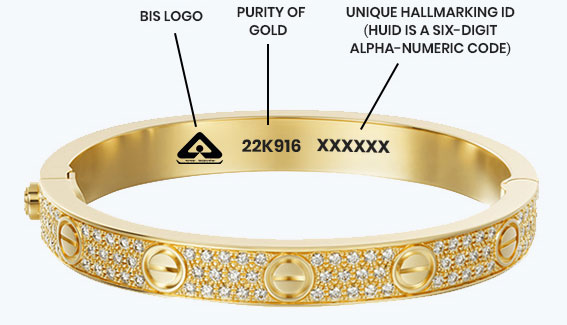
A Modern BIS Hallmark Contains:
● BIS logo
● Purity mark (like 22K916, 18K750, etc.)
● Assaying & Hallmarking Centre mark
● 6-digit HUID (Hallmark Unique Identification) code
👉 Today, the HUID code is mandatory for hallmarked gold jewellery sold in India.
_
What is HUID? (6-Digit Unique Code)
HUID stands for Hallmark Unique Identification.
Each hallmarked jewellery piece now receives a unique 6-digit alphanumeric code.
This prevents duplication and improves transparency.
Why HUID Was Introduced
● Stops fake hallmark stamping
● Prevents duplicate certifications
● Makes verification easy for customers
● Protects resale value
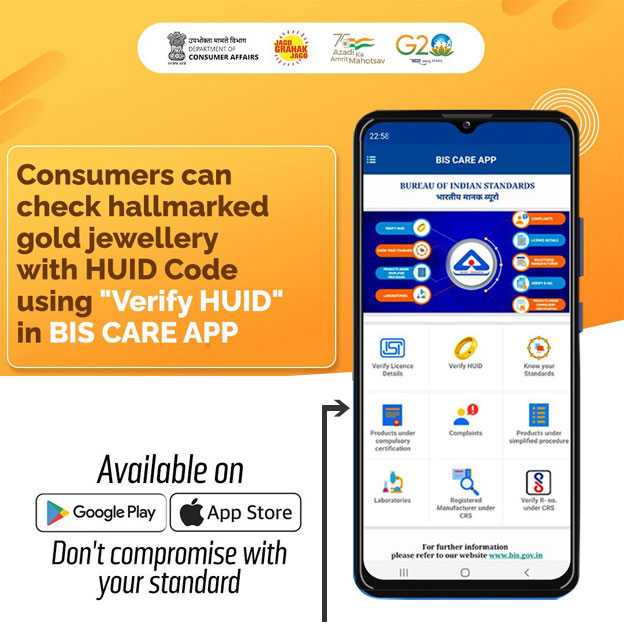
How to Verify Your Gold Using the BIS Care App
You can verify any hallmarked gold item using the official BIS mobile app.
Step-by-Step Guide
[1.] Download BIS Care App from Google Play Store.
[2.] Open the app.
[3.] Click on “Verify HUID”.
[4.] Enter the 6-digit HUID code stamped on your jewellery.
[5.] View verification details such as:
● Purity level
● Jeweller registration
● Hallmarking centre
⚠️ If the code does not match the jewellery details, consult the jeweller immediately.
Always verify before buying, selling, or pledging gold.
–
Different Hallmark Purity Levels in India
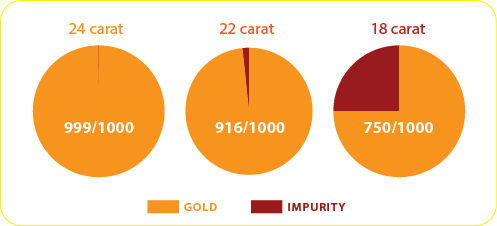
Gold jewellery is rarely 100% pure because pure gold (24K) is too soft for regular wear.
Below are the standard BIS-approved hallmark purity levels:
| Karat | Purity Mark | Gold Percentage | Common Use |
|---|---|---|---|
| 24K | 999 | 99.9% | Coins, bars (not jewellery) |
| 23K | 958 | 95.8% | Special ornaments |
| 22K | 916 | 91.6% | Traditional jewellery |
| 18K | 750 | 75% | Stone-studded jewellery |
| 14K | 585 | 58.5% | Lightweight / designer pieces |
Why Gold is Mixed (Hardening Purpose Explained)
● Pure gold (24K) is very soft and bends easily.
● For practical jewellery making:
● Other metals like copper, silver, or zinc are added
● This process is called alloying. It increases:
• Strength
• Durability
• Stone-holding capacity
Example:
● 22K (916) – Suitable for plain jewellery
● 18K (750) – Better for diamond and stone settings
● Lower karat gold is harder and holds precious stones more securely
👉 This is why diamond jewellery is usually 18K, not 22K.
–
Important Consumer Safety Points
● Gold buying and selling involves financial decisions. Always:
● Buy only BIS-hallmarked jewellery
● Verify the 6-digit HUID before payment
● Ask for a proper invoice
● Check today’s gold rate before selling
● Avoid cash-only transactions without documentation
If you are planning to:
● Sell your gold
● Exchange old jewellery
● Retrieve pledged gold
Make sure the purity is verified first to avoid financial loss.
Is Old Hallmarked Jewellery Valid?
Yes.
Older jewellery with a 4-mark hallmark (without HUID) is still legally valid if it was hallmarked before HUID implementation.
However, new jewellery sold today must contain the 6-digit HUID.
Why Hallmark Verification Matters When Selling Gold
When selling gold:
● Buyers test purity
● Lower purity means lower payout
● Fake hallmarking can reduce value drastically
Verifying beforehand gives you:
● Better negotiation power
● Transparency
● Fair market value
Final Advice
Modern hallmarking with HUID has made gold transactions safer for Indian consumers.
Before you:
● Buy
● Pledge
● Sell
● Exchange
👉 Always check the BIS hallmark and verify the HUID.
Gold is wealth. Protect it with proper verification.